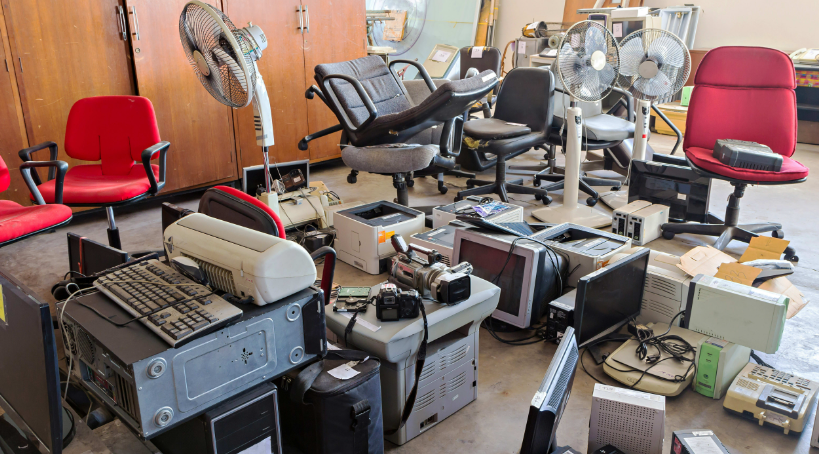
Proper disposal of oversized, bulky, or hazardous materials is essential for protecting the environment and keeping communities safe. Whether you are cleaning out a garage, renovating your home, or simply trying to get rid of old items, knowing how to dispose of them responsibly is crucial. Many homeowners turn to professional services such as junk removal in Framingham to handle large or dangerous materials safely and efficiently. This guide explains the steps, options, and best practices for disposing of large or hazardous items the right way.
Understanding What Qualifies as Large or Hazardous Waste
Large or hazardous waste includes items that can’t be disposed of through regular trash services. Oversized items like furniture, appliances, and yard equipment fall into the “large waste” category, while hazardous waste includes chemicals, paint, electronics, batteries, and anything containing toxic or flammable materials. Knowing which category an item falls under ensures proper handling and keeps dangerous substances out of landfills and water systems.
Why Proper Disposal Matters
Improper disposal of hazardous or bulky items can harm both people and the environment. Chemicals can leak into the soil or groundwater, electronics can release toxic metals, and large items can block landfills or cause accidents in collection trucks. Responsible disposal helps:
• Protect local wildlife and ecosystems
• Reduce pollution and contamination
• Promote recycling and material recovery
• Comply with local regulations and avoid fines
• Create safer homes and neighborhoods
Understanding the risks associated with improper disposal encourages homeowners to take the time to follow proper procedures.
Options for Disposing of Large Items
There are several responsible ways to get rid of oversized items, depending on the condition of the item and local programs available.
Bulk Waste Pickup
Many municipalities offer bulk waste pickup services on scheduled days. Homeowners can place large, non-hazardous items such as mattresses, couches, or furniture at the curb for collection. It’s important to verify your town’s rules, as some items may require scheduling an appointment or purchasing a special disposal sticker.
Donation or Reuse
If an item is still usable, consider donating it. Thrift stores, nonprofit organizations, and community groups often accept large household items in good condition. This not only keeps items out of landfills but also supports families in need. You can also consider online marketplaces or local reuse centers.
Recycling Centers
Large appliances, scrap metal, and certain construction materials can be dropped off at recycling facilities. These centers recover valuable materials like steel, copper, or aluminum, reducing the need for new resource extraction. Always call ahead to confirm which items are accepted.
Professional Junk Removal Services
For homeowners who lack the means to transport oversized items, professional junk removal services are a convenient option. These companies handle heavy lifting, transportation, and disposal in compliance with state and local laws. They are especially helpful when clearing out multiple items or handling large-scale cleanouts.
How to Dispose of Hazardous Waste Safely
Hazardous items require extra care due to their toxicity, flammability, or chemical composition. Handling such items responsibly avoids environmental contamination and health risks.
Household Hazardous Waste (HHW) Collection Events
Many towns host HHW drop-off events where residents can bring chemicals, cleaners, oil-based paint, pesticides, and other hazardous materials. These events ensure safe disposal through certified facilities.
Electronics Recycling
Electronics such as TVs, computers, and printers contain heavy metals and must not be placed with regular trash. Many local recycling programs offer drop-off sites for electronics, or retailers may provide take-back programs.
Battery Disposal
Batteries require special handling. Rechargeable batteries, lithium-ion batteries, and car batteries must be taken to recycling centers or auto parts stores that accept them. Alkaline batteries may be allowed in regular trash in some areas, but checking local regulations is essential.
Paint, Solvents, and Chemicals
Oil-based paints, varnishes, and solvents must be taken to hazardous waste facilities. Empty paint cans may be acceptable for curbside disposal, but leftover liquid paint should never be poured down drains or onto the ground.
Tips for Preparing Items for Disposal
To ensure safe and efficient pickup or drop-off, follow these preparation tips:
• Remove doors from old appliances like refrigerators for safety
• Drain fuel from lawn equipment before disposal
• Label boxes containing chemicals or sharp items
• Keep hazardous materials in their original containers
• Avoid mixing different chemicals together
• Secure heavy items to prevent tipping or injuries
Local Regulations and Compliance
Each city or town has its own guidelines for waste management. Review municipal regulations to understand which items require special handling. Ignoring these guidelines can result in fines or penalties, especially for hazardous waste.
Conclusion
Responsible disposal of large or hazardous items is essential for maintaining a clean, safe, and environmentally friendly community. By using available resources—such as recycling centers, HHW events, donation opportunities, and professional services—you can ensure your unwanted items are handled properly. Whether you rely on town programs or professional help, taking the extra step to dispose of items responsibly protects both your home and the environment for future generations.