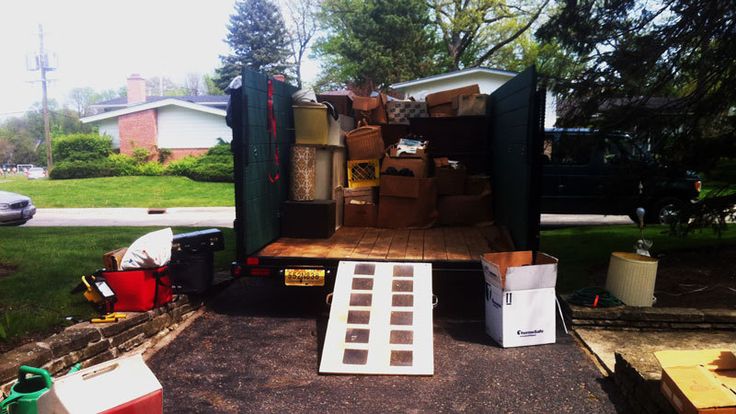
When you set your bins out on the curb or hire a Junk Removal Service in Framingham, MA, you are initiating a complex logistical process designed to protect public health and the environment. In a bustling city like Framingham, managing the sheer volume of daily waste requires a sophisticated network of collection, sorting, and processing facilities. Understanding where your trash goes is the first step toward becoming a more sustainable resident.
The Initial Collection: City Services vs. Private Haulers
In Framingham, residential waste management is a dual-stream system. Most residents utilize the city’s municipal collection for everyday household garbage and recycling. However, for larger projects—like estate cleanouts, basement decluttering, or renovation debris—many turn to a professional Junk Removal Service in Framingham, MA to handle the heavy lifting.
Companies like Number 1 Junk Removal provide a vital link in this chain by managing “bulk waste” that the city’s standard trucks cannot accommodate. Whether it is an old sofa, broken appliances, or construction materials, these items are collected and transported to specialized facilities to prevent them from clogging local landfills unnecessarily.
What You Should Know: The Processing Path
Once the waste leaves your property, its destination depends entirely on its classification. Framingham’s waste typically follows one of three primary paths: the Materials Recovery Facility (MRF), the Waste-to-Energy (WTE) plant, or a specialized recycling center for bulky items.
1. The Recycling Stream (Blue Bins)
Framingham utilizes a “single-stream” recycling process, meaning all your paper, glass, plastic, and metal go into one bin. These materials are hauled to a regional Materials Recovery Facility. Here’s what happens inside:
- Mechanical Sorting: Large screens and fans separate cardboard and paper from heavier containers.
- Optical Scanners: High-tech sensors identify different types of plastics (like PET and HDPE) and use puffs of air to sort them into specific bins.
- Magnetic Separation: Powerful magnets pull out steel and tin cans, while ” eddy currents” repel aluminum into separate collectors.
2. The Municipal Solid Waste Stream (Trash Bins)
Non-recyclable household trash collected in Framingham often heads to a Waste-to-Energy facility. Massachusetts has shifted away from traditional landfills toward combustion. At a WTE plant, trash is burned at extremely high temperatures to create steam, which turns turbines to generate electricity for the local grid. This process reduces waste volume by about 90%, leaving only ash behind.
3. Bulky Waste and Construction Debris
Items collected by local junk haulers or taken to the Framingham Recycling Center (on Mt. Wayte Ave) often go through a manual “de-manufacturing” process. For example, mattresses are stripped for their metal springs and foam, while old appliances (white goods) are drained of refrigerants before the metal is scrapped.
Managing Special Waste: Hazardous and Electronic Materials
Not everything belongs in the trash or the blue bin. In fact, disposing of certain items improperly can result in environmental fines or soil contamination. What You Should Know is that Framingham has strict regulations regarding “hard-to-dispose-of” items.
- E-Waste: Televisions, monitors, and computers contain heavy metals like lead and mercury. These are collected separately to ensure the components are recycled responsibly rather than burned.
- Hazardous Waste: Materials like oil-based paints, pesticides, and pool chemicals require special collection days organized by the city to prevent toxic runoff.
- Yard Waste: Framingham runs specific seasonal collections for leaves and brush, which are turned into compost or mulch, returning nutrients to the soil.
The Role of Professional Junk Removal in Sustainability
While the city handles the basics, a private debris removal company plays a massive role in diversion rates. When you hire experts for a full-service junk removal job, the goal isn’t just to dump everything at the nearest station.
Responsible teams sort through the “junk” to identify:
- Donation-ready items: Furniture or clothes that can be given to local Framingham charities.
- Scrap metal: Which can be melted down and reused in manufacturing.
- Recyclable wood: Often ground down into particleboard or mulch.
By using a rubbish removal specialist, residents can ensure that their spring cleaning project or office cleanout contributes to a circular economy rather than just adding to the incinerator’s load.
How Residents Can Improve the Process
The efficiency of Framingham’s waste system depends heavily on ” source separation”—the actions you take before the truck arrives.
- Avoid “Wish-cycling”: Putting non-recyclable items (like plastic bags or greasy pizza boxes) into the recycling bin can contaminate an entire batch of materials, forcing the facility to send it all to the incinerator.
- Break Down Cardboard: This saves space in the trucks, reducing the number of trips needed and lowering the carbon footprint of waste collection.
- Schedule Bulk Pickups Early: If you have a large volume of waste, don’t leave it on the curb to be rained on. Wet furniture is much harder to recycle. Instead, call a professional junk removal service to handle the items while they are still salvageable.
Conclusion: A Shared Responsibility
What happens to your waste after it leaves your home is a testament to Framingham’s commitment to modern infrastructure. From the high-tech sorting at recycling centers to the energy-generating capabilities of local incinerators, your trash is treated as a resource to be managed.
By choosing the right methods—whether it’s diligent recycling or hiring Number 1 Junk Removal for your residential cleanout—you help ensure that Framingham remains a clean, sustainable place to live.