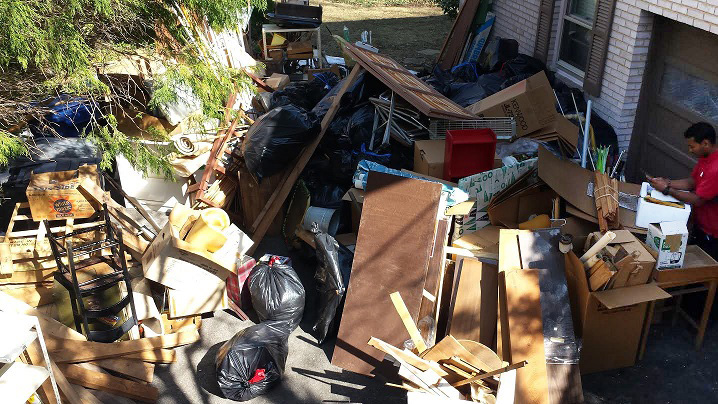
Navigating the rules of waste management in Central Massachusetts can be overwhelming, especially when you are staring at a garage full of old belongings. If you are planning a major home decluttering project, hiring a professional Junk Removal Service in Framingham, MA, is often the most efficient way to ensure your items are handled correctly. What You Should Know is that every municipality within Middlesex County has specific guidelines regarding what can go in the bin, what requires a special permit, and what is strictly prohibited from the waste stream entirely.
Understanding these distinctions not only helps you avoid local fines but also protects our local environment from hazardous runoff and landfill contamination.
Approved Items: What Can Go in the Bin?
For standard weekly pickup in Middlesex County, most residents are familiar with the basics. However, “acceptable” waste generally falls into two categories: everyday refuse and standard recyclables.
Standard Household Trash
This includes non-recyclable food packaging, textiles that are too worn for donation, and general kitchen waste. Most towns in the county require these to be placed in specific “pay-as-you-throw” bags or heavy-duty lidded carts to prevent pests and litter.
Single-Stream Recycling
Middlesex County is a leader in recycling efforts. Most programs accept:
- Paper and Cardboard: Flattened shipping boxes, newspapers, and junk mail.
- Plastic Containers: Usually plastics numbered 1, 2, and 5 (like milk jugs and detergent bottles).
- Metal Cans: Aluminum soda cans and steel soup cans (rinsed clean).
- Glass: Clear, green, and brown bottles and jars.
The “No-Go” List: Prohibited at the Curb
There are several items that local municipal trucks will not touch. If you leave these on the curb, they will likely be left behind with an orange “rejection” sticker. This is where a local hauling company like Number 1 Junk Removal becomes invaluable, as they can often facilitate the proper disposal of items the city won’t take.
1. Hazardous Household Waste (HHW)
You should never put liquid chemicals in your trash. This includes:
- Automotive Fluids: Motor oil, antifreeze, and brake fluid.
- Garden Chemicals: Highly concentrated pesticides and fertilizers.
- Cleaning Supplies: Harsh acids, ammonia, and bleach.
2. Construction and Demolition (C&D) Debris
Standard trash collectors are not equipped to handle heavy debris removal. Items like drywall, roofing shingles, concrete, and large quantities of lumber are banned from residential bins. These require a dedicated roll-off dumpster or a specialized construction waste disposal service to be hauled to a C&D processing facility.
3. Electronics and “White Goods.”
Massachusetts state law prohibits “CRTs” (old tube TVs and monitors) from being incinerated. Similarly, appliances like refrigerators and air conditioners contain refrigerants (Freon) that a licensed professional must capture before the metal can be recycled.
What You Should Know: Special Handling for Bulky Items
In Middlesex County, “bulky items” refer to anything that won’t fit inside a standard trash cart. While some towns allow you to purchase a “bulk sticker” for a single item like a mattress, larger projects require a different approach.
If you are dealing with a whole-house cleanout or removing an old backyard shed, a Junk Removal Service in Framingham, MA can manage the logistics for you. These services are experts in appliance removal, furniture disposal, and mattress recycling, ensuring that these large objects are broken down for parts rather than taking up valuable space in a transfer station.
The Grey Area: Yard Waste and Organic Matter
Middlesex County has strict rules regarding “organic” materials. Leaves, grass clippings, and small branches are usually banned from the regular trash because they produce methane gas when trapped in a landfill.
- Composting: Many residents are encouraged to use backyard compost bins for fruit and vegetable scraps.
- Seasonal Pickup: Most towns offer specific weeks in the spring and fall for leaf collection.
- Brush Hauling: For large fallen limbs or tree stumps, you will likely need a professional yard waste removal team, as these are too large for municipal composting programs.
How to Responsibly Declutter
Before you toss everything into a pile, consider the “Three R’s.” A significant portion of what we call “junk” is actually reusable.
- Donate First: If your furniture is in good condition, many local charities in the Framingham area offer pick-up services.
- Scrap Metal: Old bicycles, metal bed frames, and copper piping can often be sold to local scrap yards.
- Hire Professionals: If the task is too large, using an eco-friendly junk removal provider ensures that the sorting is done for you. They will separate the recyclables from the true waste, minimizing your environmental footprint.
Summary Checklist for Middlesex Residents
Item Category Disposal Method
Kitchen Scraps Standard Trash or Compost
Batteries/Lightbulbs Drop-off at Hardware Stores/Town Hall
Old Couches/Sofas Bulk Trash Pickup or Private Hauler
Paint Cans Dry out latex paint; HHW day for oil-based
Tires Specialized Automotive Recyclers
By following these guidelines, you help keep Middlesex County clean and compliant with state environmental laws. Whether you are doing a small spring cleaning or a massive renovation, knowing where each item belongs is the key to a stress-free disposal process.